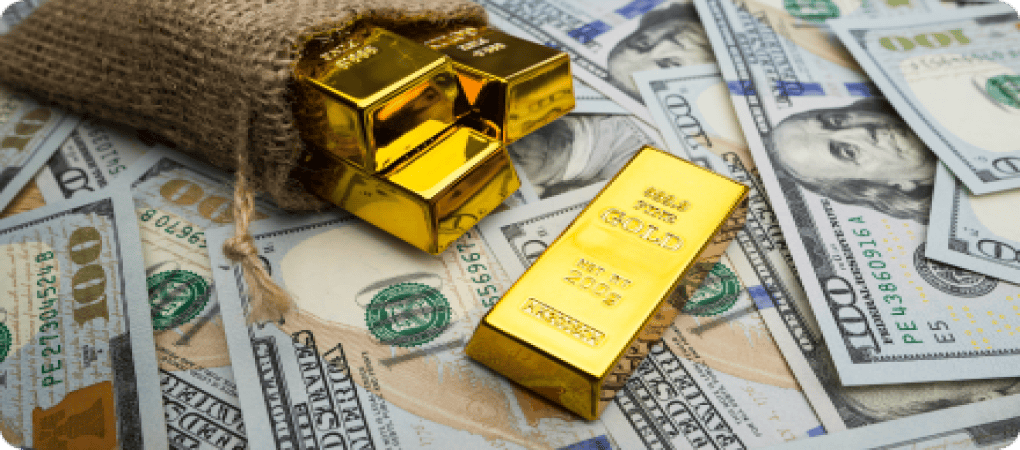
A Look at Gold Price Trends Over the Last Decade
Gold has long been considered a safe-haven asset, attracting investors during times of economic uncertainty. Over the last decade, gold prices have experienced significant fluctuations, influenced by global events, inflation, interest rates, and market sentiment. Let's take a closer look at the key trends and factors that shaped gold prices over the past ten years.
Gold Prices: A Decade in Review
2014-2015: Stabilization After the 2011 Peak
Following a historic peak of around $1,900 per ounce in 2011, gold prices saw a decline and stabilized between $1,100 and $1,300 per ounce from 2014 to 2015. The primary reasons included economic recovery in the U.S., a stronger dollar, and the Federal Reserve’s indication of interest rate hikes.
2016-2018: Modest Gains Amid Global Uncertainty
From 2016 to 2018, gold prices saw moderate growth, fluctuating between $1,200 and $1,350 per ounce. Brexit (2016), trade tensions between the U.S. and China, and geopolitical uncertainties contributed to periodic price surges. However, a rising stock market and steady economic growth kept gold from making dramatic gains.
2019-2020: A Historic Surge
Gold prices soared in 2019 and 2020, largely due to global economic slowdowns, trade disputes, and most notably, the COVID-19 pandemic. Investors sought refuge in gold, driving its price to an all-time high of over $2,000 per ounce in August 2020. The Federal Reserve’s low-interest rate policies and extensive stimulus measures fueled gold’s rally.
2021-2023: Post-Pandemic Corrections and Inflation Hedge
After peaking in 2020, gold experienced corrections, dipping below $1,700 per ounce in 2021. However, inflationary pressures, geopolitical conflicts (such as the Russia-Ukraine war), and continued economic uncertainty led to another rally, pushing gold back above $2,000 per ounce by 2023.
2024 and Beyond: What’s Next?
With persistent inflation, fluctuating interest rates, and increasing central bank gold reserves, the long-term outlook for gold remains positive. Analysts predict potential price surges if economic instability continues or if demand rises among investors and governments.
Factors Influencing Gold Prices
Several factors have played crucial roles in shaping gold price trends over the last decade:
Global Economic Conditions: Recession fears, currency fluctuations, and financial crises drive gold prices higher.
Interest Rates & Federal Reserve Policies: Lower interest rates make gold more attractive, while higher rates typically pressure prices downward.
Inflation: Gold is a hedge against inflation, with prices rising in response to increasing consumer prices.
Geopolitical Uncertainty: Wars, trade disputes, and political instability create demand for gold as a safe-haven asset.
Central Bank Reserves: Many central banks continue to buy gold, influencing market trends.
Final Thoughts
Gold has remained a resilient asset over the last decade, proving its value as a hedge against uncertainty and inflation. Whether you're a seasoned investor or new to gold trading, understanding historical trends can help you make informed decisions. As markets continue to evolve, keeping an eye on economic indicators and global events will be key to navigating the future of gold investment.
Stay updated with the latest gold price trends and insights at Trade4Gold!
Share This
Latest Blog
Mastering Gold Trading Online Securely
20 Jan, 2025
Top Tips for Buying Gold Digitally
20 Jan, 2025
Sell Gold Easily with Trusted Platforms
20 Jan, 2025
Gifting Gold: A Unique and Lasting Present
04 Dec, 2024